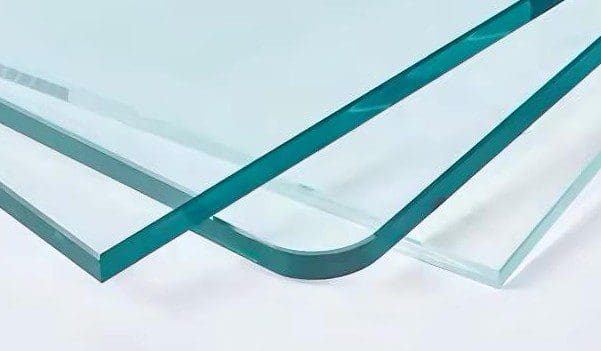
Glass is glass, right? Not when it’s the only thing between you and a wet tile floor. Shower enclosures use safety glazing that behaves very differently from window glass, and your choices on thickness, clarity, and coating affect safety, look, and upkeep. This guide breaks down the terms you’ll hear at the estimate, what each one means in practice, and which are worth paying for. No jargon, just what you need to compare quotes with confidence.
Why shower glass must be safety glazed
Building codes treat glass in and around tubs and showers as a hazardous location, since people slip, fall, and bump into it while wet. Safety glazing, meaning tempered or laminated glass, is designed to resist breakage and to fail in a way that is less likely to cause serious cuts.
In Maryland and Virginia, the residential code is based on the 2021 International Residential Code. Section R308.4.5 covers glass within 60 inches of a tub or shower, and Section R308.1 requires a manufacturer’s safety-glazing mark that stays visible after installation. D.C. follows its own construction codes. For thickness, anchoring, and other details, see our guide to frameless shower enclosure code requirements.
Tempered glass
Tempered glass is heated and rapidly cooled, which makes it several times stronger than ordinary glass of the same thickness. If it does break, it crumbles into small, relatively blunt pieces rather than long shards. It’s the standard for shower doors. One important detail: tempered glass can’t be cut or drilled after tempering, which is why every custom door is measured, fabricated, and tempered before it is installed.
Laminated glass
Laminated glass sandwiches a plastic interlayer between two panes, so if it breaks, the pieces tend to stay bonded in place. It’s more common in overhead glazing and specialty applications and is rarely used in standard shower doors, but it can come up for custom designs or where sound or security matter. Ask your installer if they offer it and what it adds to the cost.
Thickness: 1/4″, 3/8″, or 1/2″
Thicker glass feels more substantial, is more stable on large panels, and is typical for frameless systems, where 3/8″ and 1/2″ are common. Thinner glass is common in semi-frameless and sliding designs. Thickness also drives weight, which affects the hardware you need and the price.
Low-iron glass
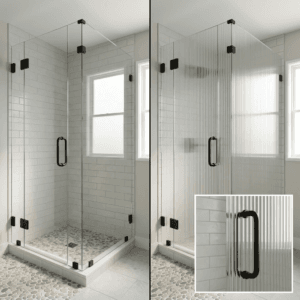
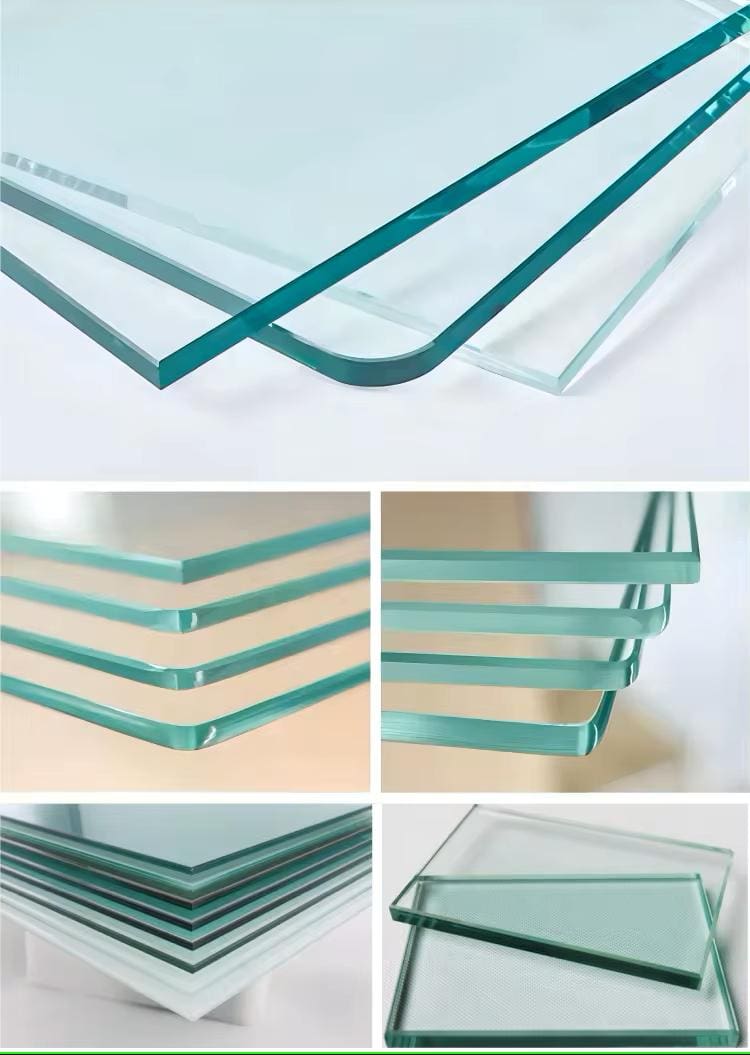
Low-iron (often called ultra-clear) glass has a lower iron content, which reduces the green cast of standard glass. It’s the same safety performance, tempered the same way, just clearer. It’s most noticeable with white or light tile and in thicker panes. Expect to pay more than standard clear.
Coatings and care
Protective coatings help water bead and roll off, which reduces spotting and soap scum. They don’t replace cleaning. Ask what the coating is, whether it’s applied at the factory or in the field, how long it is warrantied, and which cleaners to avoid. A squeegee after each shower does more than any coating.
Warranty and code basics to confirm
- The glass is tempered and labeled as safety glazing (look for the etched mark in a corner).
- Thickness and hardware are rated for the size and weight of your panel.
- Warranty terms cover glass, hardware, and finish, and say who handles claims.
- Your installer is licensed and insured, and handles any permit your area requires.
Not sure which glass is right for your shower? Send us your measurements and photos for a free recommendation. Text a photo to (202) 236-1482, call (240) 301-1773, or email contact@framelessshowersystems.com.